
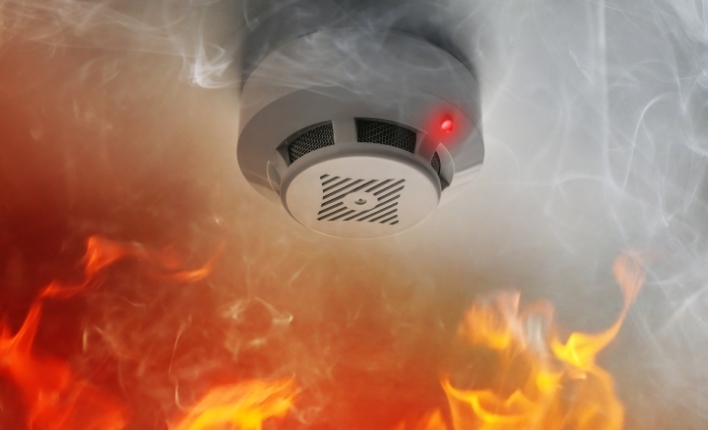
What Should Businesses Look for in a Fire Alarm System in Kenya
- September 24, 2026
- Sidney Oluoch
- Blog
- No Comments
Key factors to consider when selecting a fire detection and alarm solution for your facility
Choosing the right fire alarm system in Kenya involves more than installing smoke detectors and sounders. Different facilities have different risks, layouts, occupancy levels and emergency-response requirements.
For businesses, hospitals, hotels, schools, residential developments and commercial facilities, an effective fire alarm system should provide early detection, clear notification and reliable information that helps people respond quickly during an emergency.
Reliable Early Detection
The primary purpose of a fire alarm system is to identify fire-related conditions as early as possible.
Depending on the environment, the system may use smoke detectors, heat detectors, beam detectors or a combination of technologies. Large open spaces, high ceilings, kitchens, server rooms and guest areas can require different detection approaches.
A properly designed fire alarm system in Kenya should therefore be based on the actual risks within the building rather than applying the same detector type everywhere.
Centralised Monitoring and Control
The fire alarm control panel is the centre of the system.
It receives information from connected detection devices and identifies where an alarm, fault or other event has occurred. In larger buildings, clear zoning and device identification can help security and facility teams understand which area requires immediate attention.
Centralised visibility becomes particularly important in hotels, hospitals, commercial buildings and multi-storey facilities where a fire incident may begin far from the main security desk.
Clear Alarm Notification
Detecting a fire is only useful if occupants are alerted quickly.
A fire alarm solution should include suitable notification devices such as sounders, flashing indicators and, where required, voice evacuation systems.
In noisy environments or facilities with different occupant requirements, combining audible and visual alerts can help ensure emergency warnings reach more people.
Integration with Other Building Systems
Modern fire safety increasingly involves connected systems.
A fire alarm system can be integrated with Public Address and Voice Alarm systems, access control, lifts, ventilation systems and other building infrastructure.
For example, access-controlled doors may need to release during an evacuation, while ventilation systems may respond according to the building’s emergency strategy.
This allows fire detection to become part of a coordinated safety environment rather than operating independently.
Maintenance and System Support
A fire alarm system must remain reliable long after installation.
Regular testing, preventive maintenance and inspection help identify faulty devices, communication problems and other conditions that could affect system performance.
Organizations should therefore consider not only the equipment being installed, but also the technical support available throughout the system’s lifecycle.
Building a Safer Facility
The right fire alarm system in Kenya should be designed around the building, its occupants and the organization’s operational requirements.
USS provides fire detection and alarm solutions for commercial, hospitality, residential and other environments, from system design and installation to integration, testing and support.
Protect your people and property with a fire alarm system designed around the risks and requirements of your facility. Talk to USS about your fire safety needs.